Chain of Responsibility: What Queensland Businesses Sending Freight Need to Know
Many businesses assume that road safety is the responsibility of the truck driver and the transport company. Under Australian heavy vehicle law, that is only part of the picture.
If your business packs, loads, sends, receives or schedules freight that travels on a heavy vehicle, you may have legal safety duties too. This is known as the chain of responsibility, often shortened to CoR.
This guide explains what the chain of responsibility is, who it applies to, what it covers and the practical steps Queensland businesses can take to meet their obligations when booking freight.
This article is general information only and is not legal advice.
What Is the Chain of Responsibility?
The chain of responsibility is a set of legal obligations under the Heavy Vehicle National Law (HVNL). It recognises that the decisions and actions of many different parties can affect the safety of a heavy vehicle on the road.
For example, a heavy vehicle can become unsafe because:
- Goods were loaded unevenly or not restrained properly
- The declared weight of a consignment was wrong
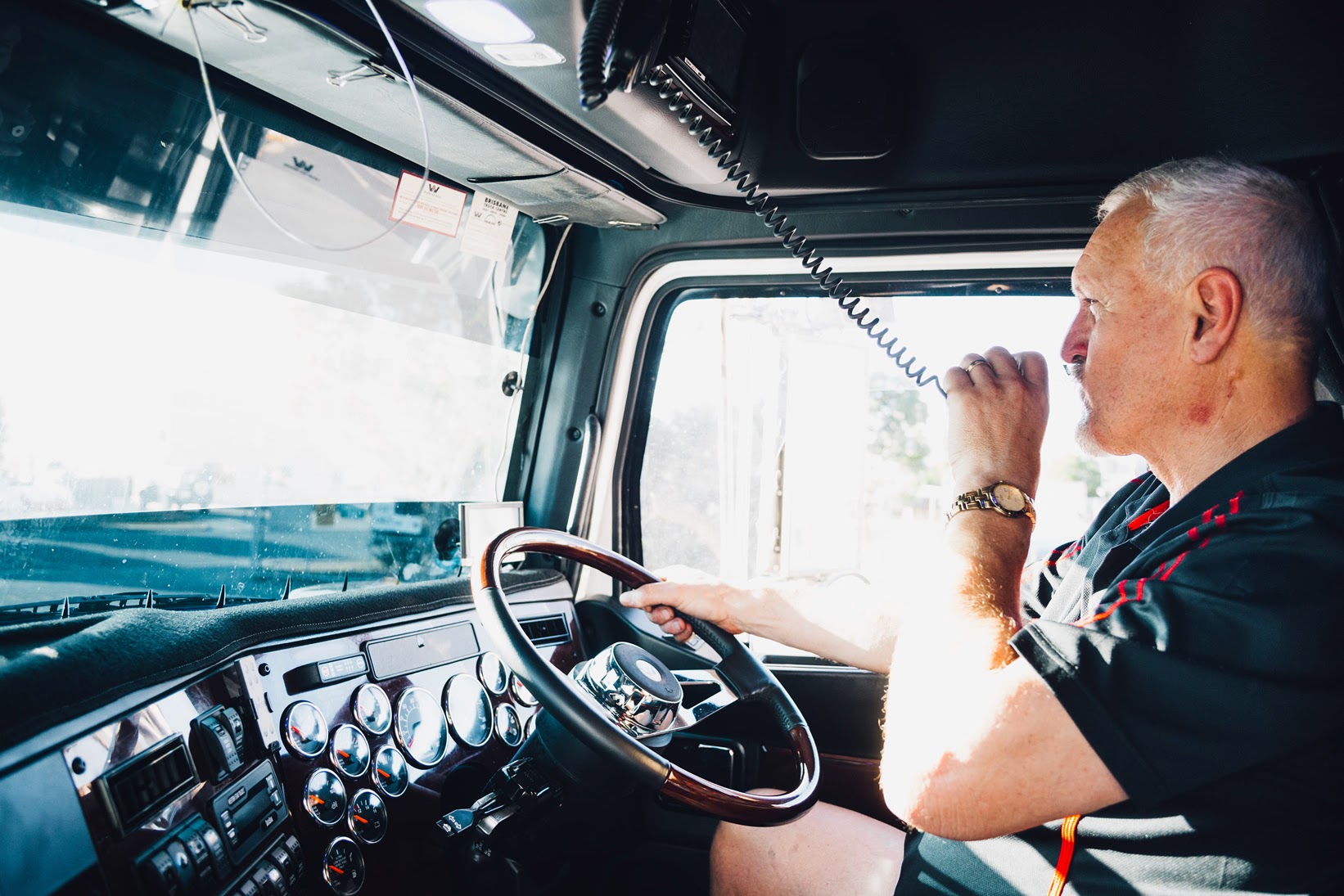
- A delivery schedule did not allow the driver enough rest
- A customer pressured a driver to arrive by an unrealistic time
In each case, the person or business behind that decision may share responsibility, even if they never drive a truck.
The HVNL is administered by the National Heavy Vehicle Regulator (NHVR) and applies in Queensland.
Who Is Part of the Chain of Responsibility?
The NHVR identifies a number of parties in the chain, including:
- Employers of heavy vehicle drivers
- Prime contractors who engage self-employed drivers
- Operators who control and direct the use of a heavy vehicle
- Schedulers who arrange the vehicle's transport tasks or drivers' work and rest hours
- Consignors who send goods or arrange for them to be sent
- Consignees who receive goods
- Packers who pack or assemble goods for transport
- Loading managers at premises where heavy vehicles are regularly loaded or unloaded
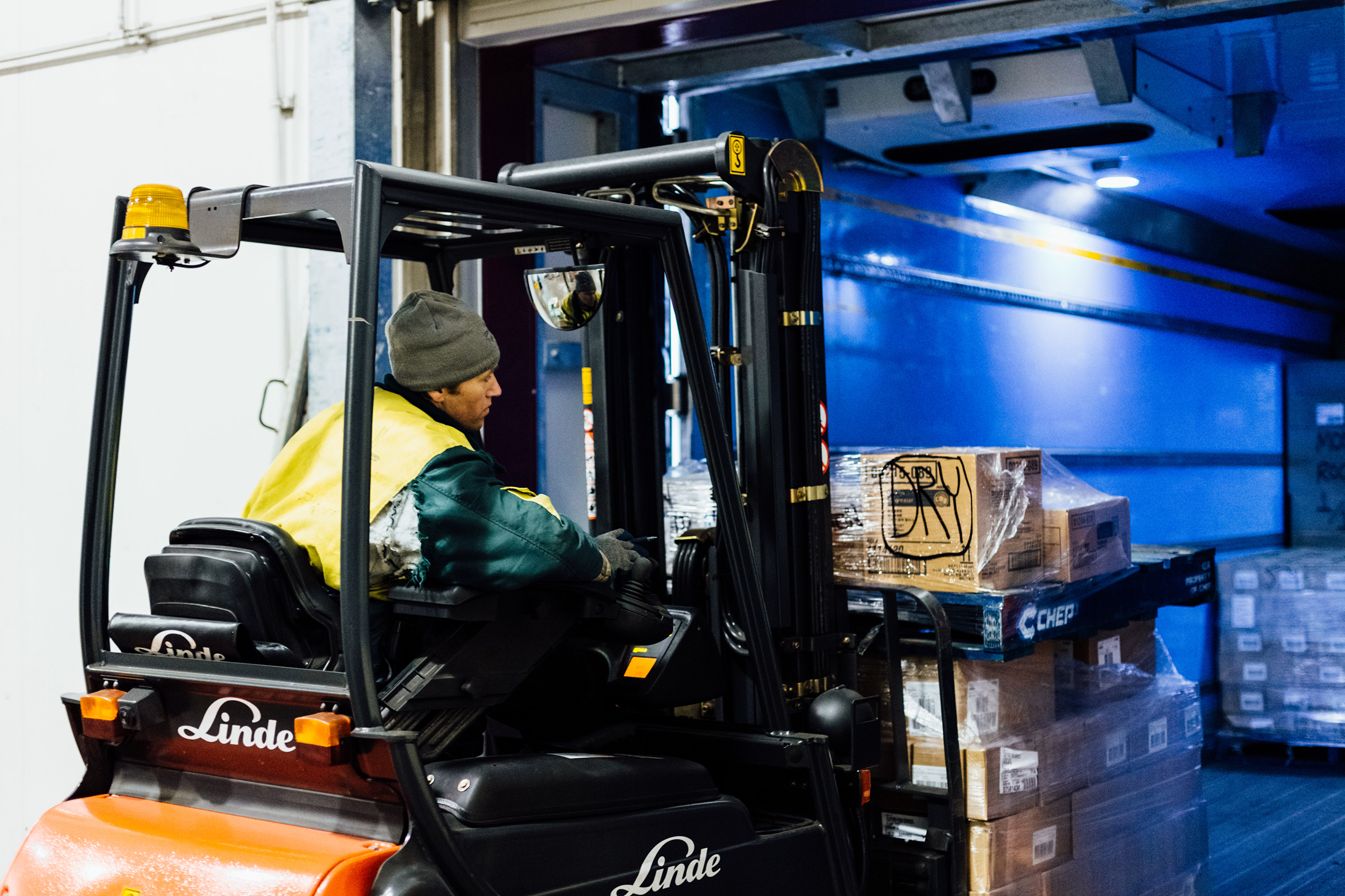
- Loaders who put goods on a heavy vehicle
- Unloaders who take goods off a heavy vehicle
For many businesses, the most relevant roles are consignor, consignee, packer, loader and unloader. If your business sends pallets on a truck, you are likely to fall into at least one of these categories.
A single business can hold more than one role at the same time.
The Primary Duty
At the heart of the chain of responsibility is the primary duty.
Every party in the chain must ensure, so far as reasonably practicable, the safety of its transport activities relating to a heavy vehicle.
In practice, this means identifying risks that your business's activities could create and then eliminating them, or, where that is not reasonably practicable, minimising them.
A few important points about the primary duty:
- It is shared. Each party has its own duty. Doing your part does not remove someone else's duty, and vice versa.
- It cannot be handed off. You cannot transfer your duty to a transport company through a contract.
- It does not depend on a breach occurring first. A party can fail its duty by not managing a risk, even if no incident has happened.
- It covers influence. Parties must not ask, direct or encourage a driver or another party to break heavy vehicle laws, such as speeding or working while fatigued.
"Reasonably practicable" means taking the steps that are reasonable for your business, considering the likelihood of harm, how serious it could be and what can be done to manage it.
Executive Due Diligence
The HVNL also places a duty on executives of businesses in the chain. Directors, partners and senior managers who make decisions that affect the business must exercise due diligence to make sure the business complies with its primary duty.
This includes understanding the business's transport activities, the risks involved, and ensuring the right resources and processes are in place to manage them.
What Does the Chain of Responsibility Cover?
CoR applies to all transport activities that affect the safety of a heavy vehicle. The main areas businesses need to think about are:
Mass
Vehicles must not exceed their legal mass limits. Consignors play a key role here because the declared weight of freight affects how loads are planned.
Dimension
Loads must not exceed legal height, width or length limits for the vehicle.
Loading and load restraint
Goods must be placed and restrained so they cannot move or fall during transit. Poorly packed or loaded freight can shift and affect vehicle stability.
Fatigue
Drivers must be able to meet work and rest requirements. Schedules and delivery windows should not make that impossible.
Speed
Parties must not set expectations that would require a driver to speed to meet them.
Vehicle standards and maintenance
Heavy vehicles must be roadworthy and properly maintained. This duty mostly sits with operators, but other parties should not encourage the use of unsafe vehicles.
Penalties for Breaching the Primary Duty
The NHVR treats a breach of the primary duty as one of the most serious offences under the HVNL.
Enforcement can range from education and improvement notices through to prosecution. For the most serious category of offence, the NHVR lists maximum penalties of more than $4.1 million for a corporation, and more than $424,000 and/or five years' imprisonment for an individual. These figures applied from 1 July 2025 and are indexed each year.
Beyond legal penalties, a serious incident can damage relationships with customers, staff and the community.
Practical Steps for Businesses Sending Freight
You do not need to become a transport expert to meet your obligations. Most of the risk can be managed through good everyday practices.
1. Declare accurate weights and dimensions
Provide the correct gross weight and size of every consignment, including pallets and packaging. Avoid estimates where actual measurements are possible.
2. Pack goods so they can be restrained
Use sound pallets, stable stacking patterns, stretch wrap and strapping so freight holds together during transport. The national Load Restraint Guide, available from the NHVR, is a useful reference.
3. Label freight clearly
Mark fragile items, stacking limits and any special handling needs so loaders can plan safely.
4. Set realistic pickup and delivery times
Avoid booking windows that could only be met if a driver skipped breaks or exceeded the speed limit. Talk to your carrier about what is achievable.
5. Manage your loading and receiving areas
Keep docks organised, avoid unnecessary waiting times and make sure staff who load or unload are trained.
6. Do not pressure drivers
Make sure staff understand that drivers should never be asked to rush, overload or bend the rules to fit a schedule.
7. Choose a carrier with strong safety systems
Ask your transport provider how they manage fatigue, vehicle maintenance, loading and compliance. You are entitled to understand how they manage risk.
8. Keep records
Document weights, bookings, instructions and any safety concerns. Good records help show that your business has taken reasonable steps.
9. Review contracts and processes
Check that your contracts, delivery terms and incentives do not reward unsafe behaviour, such as penalties for late deliveries that ignore road and rest requirements.
Questions to Ask Your Transport Provider About CoR
When choosing or reviewing a carrier, consider asking:
- How do you manage driver fatigue and scheduling?
- How are your vehicles maintained and inspected?
- Are your drivers employed directly or subcontracted?
- What do you need from us to load our freight safely?
- What happens if our freight is not packed or declared correctly?
- Do you hold any heavy vehicle accreditations?
A provider that answers these questions clearly is easier to work with and helps you meet your own obligations. For more on what to look for in a carrier, see our guide on how to choose a freight transport company in Queensland.
How Cannon Logistics Supports Safe Freight
Cannon Logistics holds accreditation under the National Heavy Vehicle Accreditation Scheme (NHVAS) for Maintenance Management and Basic Fatigue Management. These systems support documented vehicle maintenance and structured management of driver work and rest.
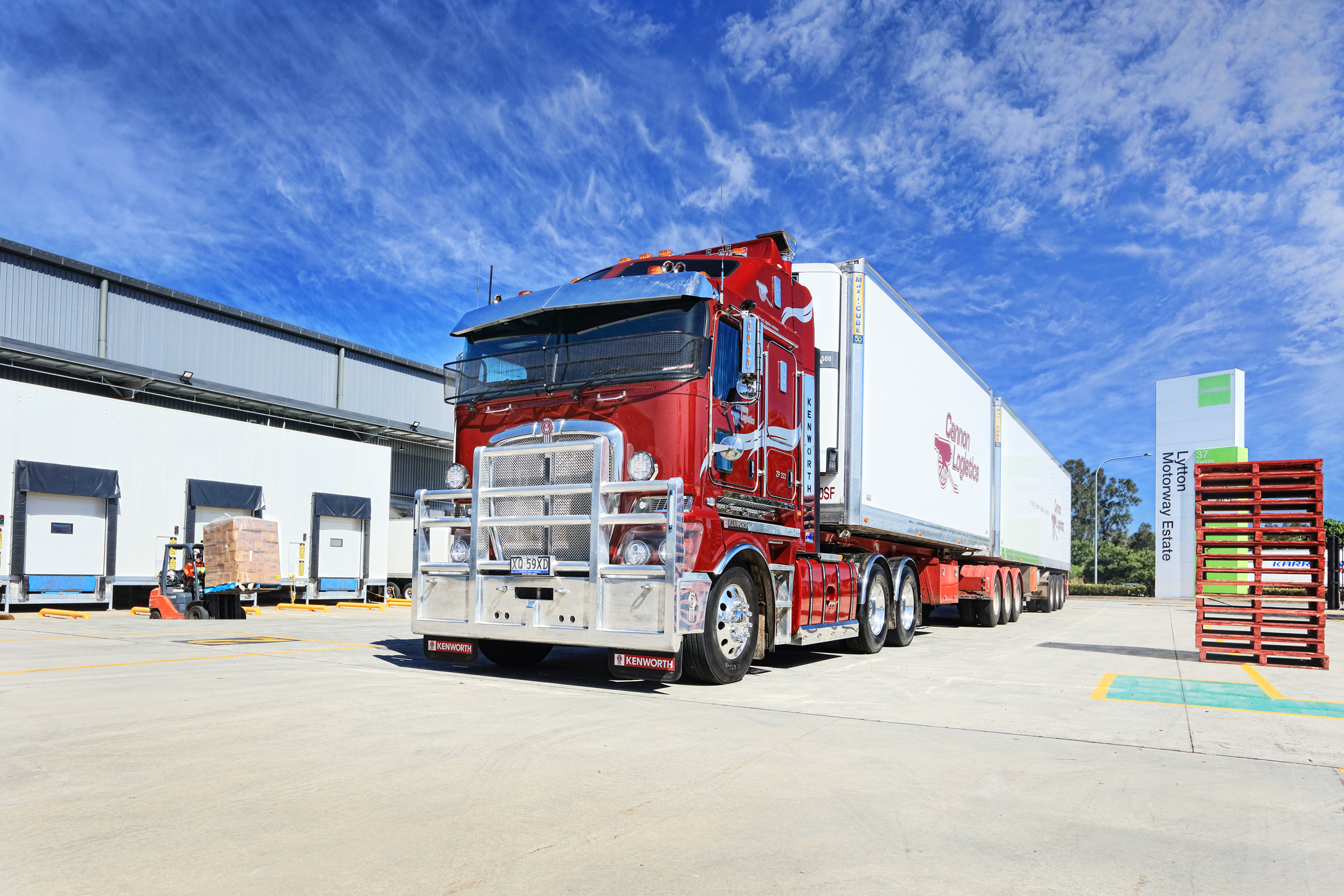
Its drivers are employed directly by Cannon Logistics, and its general road freight services run on scheduled routes across Brisbane and regional Queensland, which helps reduce last-minute pressure on drivers and delivery times.
You can view Cannon's accreditation documents on the Quality Assurance page, and read more about how Cannon ensures the safety of your freight.
Frequently Asked Questions
What is chain of responsibility in transport?
Chain of responsibility is a set of obligations under the Heavy Vehicle National Law. It means everyone whose actions can affect heavy vehicle safety, not just drivers, has a legal duty to ensure safety so far as reasonably practicable.
Does chain of responsibility apply in Queensland?
Yes. The Heavy Vehicle National Law applies in Queensland and is administered by the National Heavy Vehicle Regulator.
Does chain of responsibility apply to businesses that only send freight?
Yes. Consignors, consignees, packers, loaders and unloaders are all parties in the chain. If your business sends or receives goods on heavy vehicles, CoR is likely to apply.
Can I hand my CoR obligations to my transport company?
No. Each party has its own duty, and it cannot be transferred to another party through a contract.
What are the penalties for breaching chain of responsibility?
For the most serious category of primary duty offence, the NHVR lists maximum penalties of more than $4.1 million for a corporation and more than $424,000 and/or five years' imprisonment for an individual, as of 1 July 2025.
What is the easiest way for a consignor to reduce CoR risk?
Declare accurate weights and dimensions, pack freight so it can be safely restrained, set realistic delivery times and work with a carrier that has strong safety systems.
Work With a Carrier That Takes Safety Seriously
Chain of responsibility is about shared responsibility. When senders, receivers and carriers each manage their part, freight moves more safely and reliably for everyone.
To discuss your freight with a Queensland carrier that has NHVAS-accredited maintenance and fatigue systems, visit the Cannon Logistics contact page or book online.