.webp)
How to Transport Perishable Goods in Queensland: Protecting Chilled and Frozen Freight from Pickup to Delivery
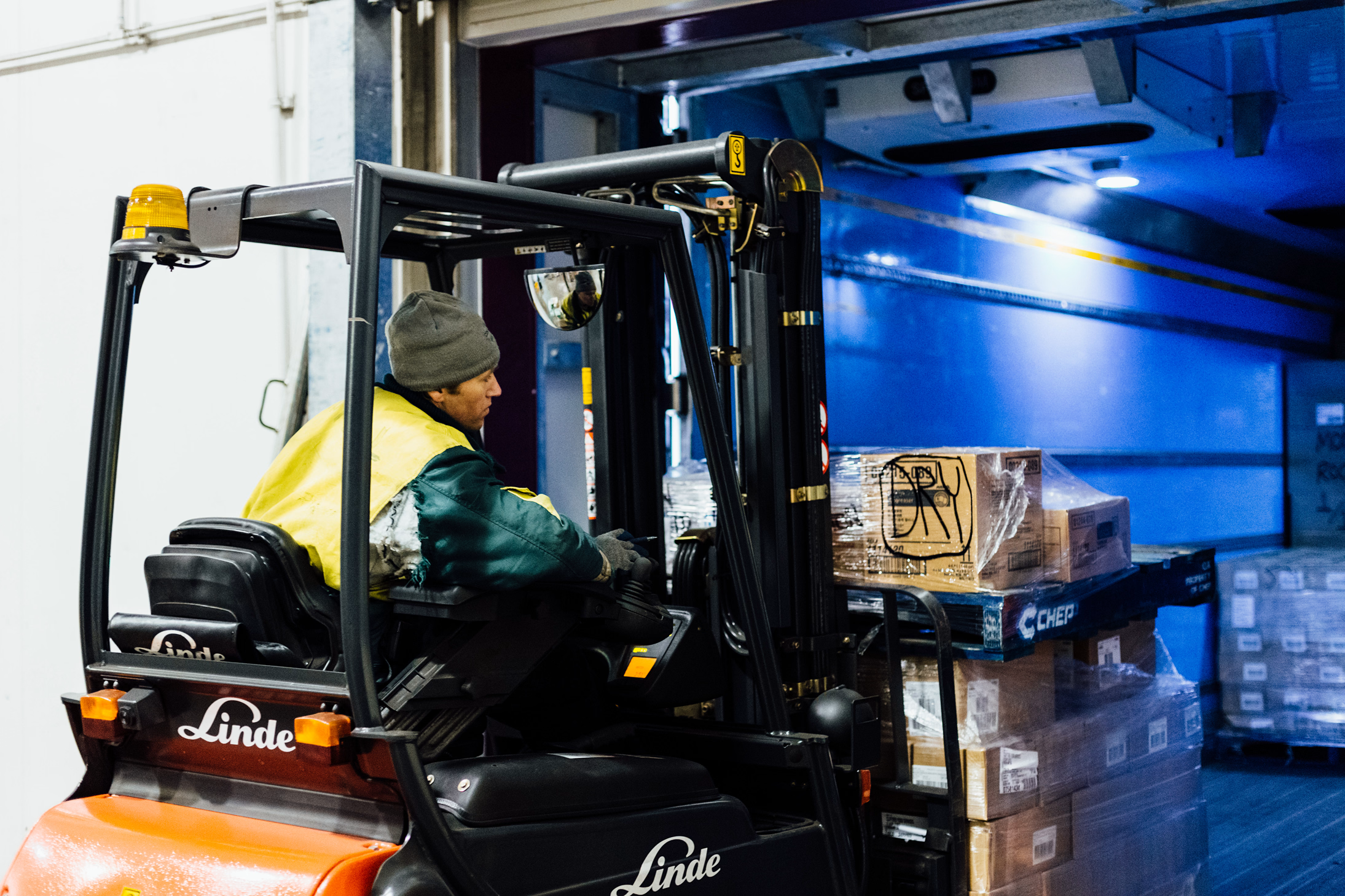

Moving chilled, frozen or otherwise temperature-sensitive freight is very different from transporting standard dry goods. A shipment can leave a supplier in excellent condition and still arrive compromised if temperature control, handling, timing or monitoring is not managed properly throughout the journey.
For food producers, manufacturers, retailers, foodservice businesses and other organisations handling perishable products, perishable goods transport in Queensland requires the temperature-controlled environment needed to protect freight during transit.
But effective refrigerated freight involves more than putting products inside a refrigerated truck. Businesses need to consider the required temperature range, vehicle capability, loading practices, monitoring, food safety, route planning and the experience of the transport provider.
For businesses moving freight across regional Queensland, choosing a logistics partner with established refrigerated transport capabilities can also help reduce the risks associated with regional routes.
What Is Refrigerated Transport?
Refrigerated transport is the movement of goods in vehicles equipped to control and maintain the internal temperature of the freight compartment.
Unlike conventional freight, where the primary concern may be protecting goods from physical damage, refrigerated freight requires careful management of the conditions surrounding the product. Temperature needs to remain within the range appropriate for the goods throughout the journey.
This makes refrigerated transport an important part of the cold chain.
The cold chain includes the connected stages involved in keeping temperature-sensitive products within appropriate conditions from production and storage through to transport and delivery. If one part of that chain is poorly managed, product quality and safety can be affected.
For Australian food businesses, temperature control is also an important food safety consideration. Food Standards Australia New Zealand (FSANZ) states that potentially hazardous food generally needs to be kept at 5°C or colder, or 60°C or hotter, during transport unless a demonstrated safe alternative system is being used.
Why Refrigerated Freight Matters for Queensland Businesses
Queensland has a large and diverse food and manufacturing sector, with products regularly moving between producers, processors, distributors, retailers and foodservice operations.
Many of these goods cannot simply be transported in a standard trailer.
Examples can include:
- Meat and poultry
- Dairy products
- Seafood
- Fresh produce
- Chilled prepared foods
- Frozen foods
- Other temperature-sensitive food products
The specific requirements depend on the product, packaging, handling procedures and applicable food safety controls.
A reliable refrigerated freight service helps businesses maintain continuity between each stage of the supply chain. It can reduce the risk of spoilage, protect product quality and help businesses meet agreed delivery requirements.
For regional freight, route planning becomes particularly important. Longer journeys, regional delivery schedules and changing weather conditions can all increase the importance of maintaining consistent temperature control. Queensland's heat and humidity add further pressure, as covered in Why Queensland's Climate Demands Specialist Cold Chain Expertise.
How Does Refrigerated Transport Work?
A refrigerated vehicle, often called a reefer, uses refrigeration equipment to create and maintain the required environment inside the trailer.
However, the refrigeration unit is only one part of the process.
A well-managed refrigerated freight operation generally involves:
- Understanding the product requirements
- Confirming the required temperature range
- Preparing the vehicle and freight correctly
- Loading the goods appropriately
- Maintaining temperature control during transit
- Monitoring conditions throughout the journey
- Managing delivery efficiently
- Checking the freight when it arrives
Each stage contributes to the integrity of the cold chain.
1. Understanding the Product Requirements
Before transport begins, the carrier needs to understand what is being moved and what conditions it requires.
Chilled and frozen products do not necessarily have identical requirements. Product specifications, customer requirements and food safety procedures should determine the appropriate handling conditions.
For businesses arranging refrigerated freight in Queensland, providing accurate information about the product, required temperature, quantity, packaging and delivery requirements helps the transport provider plan the job correctly.
2. Preparing the Refrigerated Vehicle
Vehicle preparation is another important part of temperature controlled transport.
The Queensland Food Authority recommends that businesses transporting potentially hazardous food under temperature control ensure refrigeration units are serviced regularly and that transport vehicles are pre-cooled before transportation.
Pre-cooling helps establish the appropriate internal environment before temperature-sensitive freight is loaded.
This is different from using refrigeration equipment to cool down warm freight after loading. The transport system is designed to maintain the appropriate conditions rather than replace proper product preparation.
3. Loading the Freight Correctly
Loading can have a significant impact on refrigerated transport performance.
Goods need to be positioned in a way that allows the refrigerated environment to circulate effectively. Packaging, pallet configuration, airflow, loading density and the nature of the product can all influence how efficiently the load remains within the required conditions.
The freight should also be protected from contamination and cross-contamination during handling.
For businesses using chilled transport in Queensland, appropriate preparation and loading procedures are therefore just as important as the refrigeration equipment itself.
4. Monitoring Temperature During Transit
Temperature monitoring is one of the most important differences between refrigerated freight and standard road transport.
A refrigeration unit helps control the environment, but businesses also need confidence that the required conditions are being maintained throughout the journey.
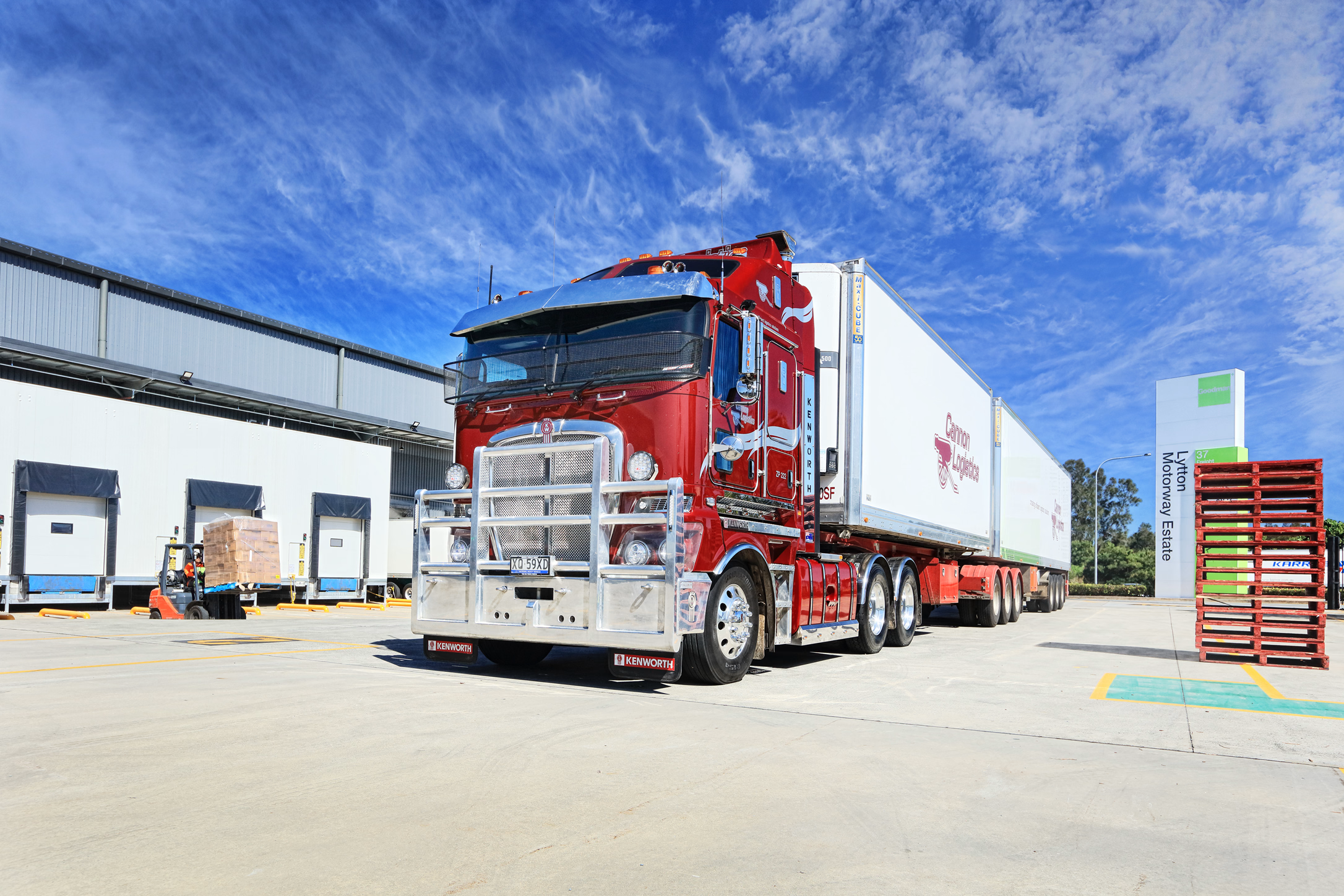
Cannon Logistics uses temperature monitoring technology to track refrigerated freight conditions. Its current refrigerated transport service describes real-time temperature monitoring from pickup through to delivery.
This gives the transport operation visibility over the refrigerated environment and helps identify potential issues before they become larger problems.
5. Planning the Route and Delivery
Temperature control and delivery efficiency go hand in hand.
The longer temperature-sensitive goods are in transit, the more important effective planning becomes. Delays, unnecessary stops and poor scheduling can create additional challenges for businesses handling perishable freight.
Cannon Logistics runs scheduled refrigerated routes from Brisbane to regional Queensland, including centres such as Rockhampton and Mount Isa. Current route availability should be confirmed directly with Cannon when requesting a quote.
For businesses moving freight between Brisbane and regional Queensland, route familiarity and consistent scheduling can be valuable parts of a refrigerated logistics strategy.
What Is the Difference Between Chilled and Frozen Freight?
One of the most important considerations when arranging refrigerated freight services is understanding whether the goods need to remain chilled or frozen.
Chilled Freight
Chilled products are transported within a controlled refrigerated environment designed to keep the product within its required temperature range.
Common examples include:
- Fresh meat
- Dairy products
- Seafood
- Fresh produce
- Prepared foods
- Other chilled food products
For potentially hazardous foods, FSANZ generally requires transport at 5°C or colder unless the business can demonstrate that an alternative control system is safe.
Frozen Freight
Frozen goods need to remain frozen throughout transportation.
This is particularly important because partial thawing and refreezing can affect product quality, packaging and shelf life.
The Queensland Food Authority states that potentially hazardous food intended to be transported frozen must remain frozen during transportation.
For this reason, businesses moving frozen freight in Queensland should select a provider with appropriate refrigerated equipment, monitoring processes and experience handling frozen products.
What Should You Look for in Refrigerated Transport Services?
Not every freight provider has the same refrigerated transport capabilities.
If your business is comparing refrigerated freight services, consider the following factors.
Temperature Monitoring
Ask how temperature is monitored during the journey.
A suitable refrigerated transport operation should have systems and procedures that help maintain the required environment and identify temperature issues.
Cannon Logistics uses temperature monitoring technology as part of its refrigerated transport operations.
Refrigerated Equipment
The transport provider should have equipment appropriate for the type of freight being moved.
Cannon's refrigerated trailers are fitted with dual evaporator units, allowing multiple temperature zones within a single load. This can be useful when different freight requires different temperature conditions.
Food Safety Procedures
If you are transporting food, ask about the carrier's food safety systems and certifications.
Cannon Logistics' quality assurance and compliance information outlines its food safety, maintenance and compliance systems. The company states that it is Safe Food certified and applies documented procedures across its operations.
Businesses can review a carrier's quality assurance documentation when assessing whether its processes align with their own supply chain requirements.
Experienced Drivers
Refrigerated freight requires more than driving a truck from one location to another.
Drivers and operational staff need to understand the importance of temperature-sensitive freight, delivery schedules, handling procedures and communication.
Cannon's current refrigerated transport service states that its drivers are directly employed by the company and trained to manage temperature-sensitive freight.
Route and Schedule Reliability
A refrigerated transport provider should have a clear understanding of the routes it regularly services.
Scheduled routes can help businesses plan inventory movements and deliveries more effectively, particularly when products have limited shelf life.
Tracking and Visibility
Tracking provides businesses with greater visibility over freight while it is in transit.
Cannon's current service information highlights temperature monitoring and transport visibility as part of its refrigerated freight operations.
Ask potential providers what information is available during transit and how temperature or delivery issues are communicated.
Why Temperature Monitoring Is So Important
Temperature monitoring is not simply a technology feature. It is an important part of managing risk across the cold chain.
Consider a business sending a pallet of chilled food to a customer. If the temperature moves outside the required range, the business needs to know what happened and determine whether the product remains suitable for delivery.
Without appropriate monitoring, it can be difficult to establish what conditions the freight experienced during transport.
With monitoring systems and documented procedures, transport operators can have greater visibility into the journey and respond more effectively when an issue occurs.
Cannon's quality assurance and cold chain management systems include temperature tracking and GPS fleet management as part of its approach to temperature-controlled logistics.
How Cannon Logistics Supports Refrigerated Freight
Cannon Logistics has specialised in refrigerated transport, general freight and cold storage for many years. Its current website positions refrigerated transport as one of its core services, alongside general road freight and cold and dry storage.
Its refrigerated transport capabilities include:
Advanced Temperature Monitoring
Cannon uses temperature monitoring technology to help maintain the required environment from pickup through to delivery.
Dual-Zone Refrigerated Trailers
Its refrigerated trailers are fitted with dual evaporator units, allowing multiple temperature zones within a single load to transport mixed freight where appropriate.
Safe Food Certified Operations
Cannon's quality assurance information outlines its food safety and compliance approach, including Safe Food certification.
Company-Employed Drivers
Cannon's refrigerated transport service states that its professional drivers are employed directly by the company. This provides the business with greater control over training, processes and service standards.
Regional Freight Experience
Cannon runs scheduled refrigerated services across Brisbane and regional Queensland, including Rockhampton, Mount Isa and Central Queensland.
Cold and Dry Storage
Refrigerated transport is only one part of the logistics chain. Cannon also provides cold and dry storage in Brisbane and Queensland, with temperature-controlled cold rooms, dry storage areas and integrated transport support.
This combination can be useful for businesses that need more than a point-to-point transport service.
Moving Perishable Goods Across Regional Queensland
For businesses operating in regional Queensland, access to dependable refrigerated freight can be particularly important when products need to move between regional markets and wider distribution networks.
Cannon Logistics services regional Queensland as part of its scheduled freight network, with routes from Brisbane to centres such as Rockhampton, Mount Isa and Central Queensland.
For businesses considering perishable goods transport in regional Queensland, the best approach is to confirm the exact pickup and delivery locations, available routes and current schedules directly with Cannon Logistics.
How to Prepare Your Freight for Refrigerated Transport
The transport provider is responsible for the transport environment, but the shipper also plays an important role in protecting the cold chain.
Before arranging refrigerated freight, consider the following checklist.
Confirm the Required Temperature
Know whether the goods need to remain chilled, frozen or within another specific controlled range.
Prepare the Product Before Pickup
Refrigerated vehicles are designed to maintain conditions rather than rapidly cool products that have not been prepared correctly.
Make sure goods are appropriately chilled or frozen before they are handed over to the carrier.
Use Suitable Packaging
Packaging should protect the product during handling and transport while supporting the required temperature conditions.
Provide Accurate Freight Information
Give the transport provider accurate details about:
- Product type
- Number of pallets or cartons
- Weight and dimensions
- Required temperature
- Pickup location
- Delivery location
- Delivery timeframe
- Special handling requirements
Plan Around Delivery Windows
If the recipient operates within a strict booking or delivery window, communicate this before the freight is collected.
A clear schedule helps the transport provider plan the journey and reduces avoidable delays.
Check the Freight on Arrival
Businesses receiving temperature-sensitive products should have procedures for checking deliveries.
FSANZ recommends checking that chilled potentially hazardous food arrives at 5°C or below and that frozen food remains frozen and has not partially thawed, unless an alternative safe system applies.
Common Refrigerated Transport Mistakes to Avoid
Even with good equipment, poor planning can create problems.
Choosing a Provider Based Only on Price
The cheapest freight option may not provide the equipment, monitoring, food safety systems or route reliability your products require.
For temperature-sensitive goods, the potential cost of spoilage or rejected freight can be much greater than the difference between two transport quotes.
Failing to Confirm Temperature Requirements
Do not assume that every chilled or frozen product has identical requirements.
Confirm the product specifications before booking.
Loading Warm Product Into the Trailer
A refrigerated vehicle is generally intended to maintain conditions rather than rapidly bring warm freight down to the required temperature.
Product preparation should be part of the shipper's cold chain process.
Ignoring Delivery Timing
Longer transit times and missed delivery windows can create unnecessary risks for perishable goods.
Good route planning and communication are therefore important parts of refrigerated logistics.
Not Asking About Monitoring
If your goods are temperature-sensitive, ask how the carrier monitors the refrigerated environment and what happens if a temperature issue occurs.
Frequently Asked Questions About Perishable Goods Transport
What is refrigerated transport?
Refrigerated transport is the movement of goods in a temperature-controlled vehicle designed to maintain the conditions required for temperature-sensitive freight during transit.
What goods require refrigerated transport?
Common examples include meat, dairy, seafood, fresh produce, chilled prepared foods and frozen products. The appropriate temperature and handling requirements depend on the product and applicable food safety controls.
What temperature should refrigerated food be transported at in Australia?
Potentially hazardous food generally needs to be transported at 5°C or colder, or 60°C or hotter, unless the business can demonstrate that an alternative control system is safe.
What is the difference between chilled and frozen freight?
Chilled freight is maintained within a controlled refrigerated temperature range, while frozen freight needs to remain frozen during transportation. The specific requirements depend on the product and its handling instructions.
How is temperature monitored during refrigerated transport?
Refrigerated transport providers can use temperature monitoring systems to track conditions inside the trailer during transit. Cannon Logistics uses temperature monitoring technology as part of its refrigerated freight operations.
Can refrigerated transport carry different types of freight?
It can, depending on the equipment and temperature requirements. Cannon Logistics uses dual evaporator units in its refrigerated trailers, allowing multiple temperature zones within a single load.
Which Queensland areas does Cannon Logistics service?
Cannon Logistics runs scheduled refrigerated services from Brisbane across regional Queensland, including Rockhampton, Mount Isa and Central Queensland. Businesses should contact Cannon to confirm current routes and availability for their pickup and delivery locations.
Does Cannon Logistics offer cold storage as well as refrigerated transport?
Yes. Cannon Logistics provides cold and dry storage at its Brisbane facility, including temperature-controlled cold rooms and dry storage areas.
Choosing the Right Refrigerated Freight Partner
For businesses moving perishable products, refrigerated transport should be treated as an important part of the overall supply chain rather than simply a delivery service.
The right provider should have appropriate refrigeration equipment, temperature monitoring, trained drivers, food safety processes, reliable routes and clear communication.
Cannon Logistics combines refrigerated transport with general road freight, cold and dry storage and quality assurance systems. Its refrigerated transport operation uses temperature monitoring, dual-zone capability and company-employed drivers.
If your business needs to move chilled or frozen goods through Queensland, the first step is to confirm your product requirements, pickup and delivery locations, temperature requirements and scheduling needs.
From there, a specialist refrigerated transport provider can help determine the appropriate freight solution.
Final Thoughts
Perishable goods need more than a truck and a delivery address. They need a properly managed cold chain that protects product quality from pickup through to delivery.
For businesses managing perishable goods transport in Queensland, important considerations include temperature requirements, vehicle capability, pre-cooling, loading, monitoring, route planning, food safety and delivery timing.
Working with an experienced refrigerated freight provider can help businesses reduce the risks associated with temperature-sensitive goods while maintaining a more consistent supply chain.
Cannon Logistics provides refrigerated transport, general road freight and cold and dry storage solutions, supported by temperature monitoring, company-employed drivers and established quality assurance systems. For businesses with refrigerated freight requirements, Cannon can assess the freight, route and handling requirements and provide a tailored transport solution.
.webp)
%20-%20SVG%201.svg)